

What OEM and ODM actually mean for a plastic product program
The terms are often used interchangeably in sourcing conversations, but they describe two different working relationships with different implications for who owns the design and where the risk sits.
OEM means the customer brings the design: drawings, specifications and often an existing tool or a defined product requirement. The manufacturer's job is to execute that design reliably and repeatedly at the required quality level.
ODM means the manufacturer contributes to the design itself — proposing structure, materials and moldability improvements, and in some cases developing the product from concept. The customer defines the market requirement; the manufacturer helps determine how it is realized.
Huizhou Xiantianbao Technology Industrial Co., Ltd. was established in 2005 and has worked in both modes, including OEM injection-molded production for internationally recognized brands such as IKEA, Contigo and Disney. In 2010 the company moved from conventional processing into independent research, development and manufacturing, which is the change that made ODM work possible.
The eight stages from drawing to shipped carton
A project runs through a predictable sequence. Knowing what each stage produces — and what the customer is expected to approve at each one — is the difference between a project that runs on schedule and one that stalls waiting for decisions.
- Requirement review. Drawing, reference sample or concept brief reviewed for function, cosmetic standard, target volume and destination market. Output: a written understanding of requirements and a DFM note with any recommended changes.
- Mold design. Parting line, draft, gate location, cavity count, runner system and cooling layout defined. Output: mold design drawing for customer approval before steel is cut.
- Mold manufacturing. Steel cut, cavity and core finished, mold assembled and fitted to the machine.
- T1 trial and sampling. First samples produced and measured. Output: dimensional report and physical samples.
- Sample approval. Customer reviews samples for fit, function and appearance. Output: signed approval or a documented change list.
- Process window lock. Injection parameters recorded and frozen so production repeats the approved condition.
- Mass production with in-process inspection. Parts checked during the run, with final inspection before packing.
- Packing and shipment. Bulk or customized small packaging, with FOB, CIF, DDU or DDP terms as agreed.
The single most common cause of delay is not manufacturing capacity — it is a customer approval decision that was never explicitly requested. Each stage above should end with a named deliverable that the buyer either approves or comments on.
Where DFM feedback saves the most money
Design for Manufacture input is only useful before the mold is cut. After that, the same advice costs far more to apply. In practice, four categories of feedback account for most of the savings.
| Design issue | What it causes | Preferred action |
|---|---|---|
| Wall thickness variation | Sink marks, warping, internal stress | Keep wall thickness as uniform as the function allows |
| Insufficient draft | Scuffing and ejection damage | Add draft to all surfaces parallel to the draw direction |
| Sharp internal corners | Stress concentration and short shots | Add radii; they also improve material flow |
| Undercuts without planning | Requires side actions, raising tool cost | Redesign to avoid them, or accept the added tooling complexity deliberately |
The value of this review is not that any single suggestion is surprising. It is that the suggestions arrive while they are still free.
Capacity, tooling and control in one place
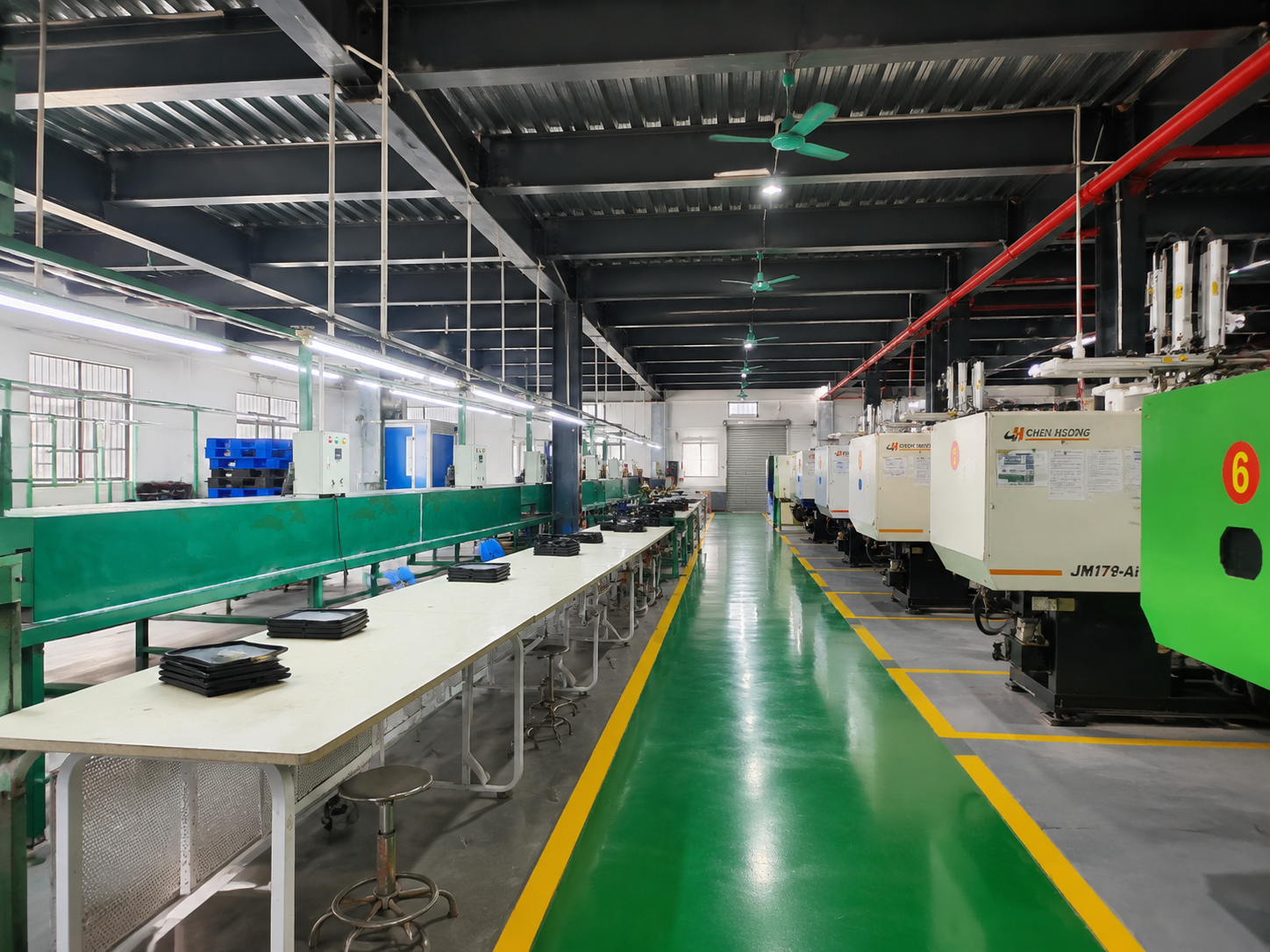
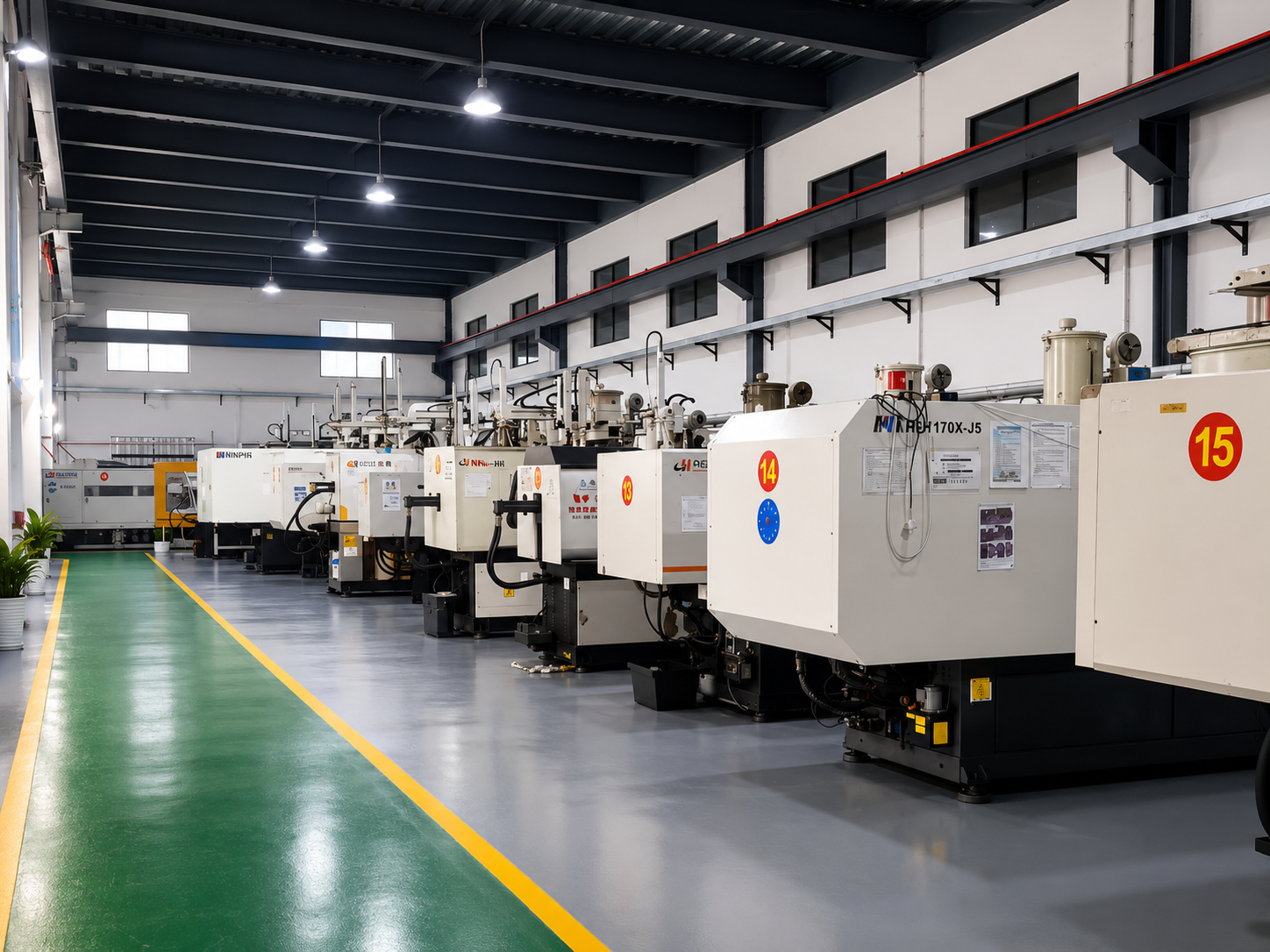
Projects that depend on several subcontractors accumulate handover risk at every boundary: the mold shop's interpretation of the drawing, the molder's interpretation of the mold, the assembler's interpretation of the finished part. Xiantianbao keeps product development, mold development, injection molding, assembly and packaging within one facility covering 4,135 m², with 19 vertical and horizontal injection molding machines rated from 98 to 650 tons.
That structure matters most for customized production, where the customer's requirement may include small-batch runs, customized packaging, or repeated design revisions across a product family. Over 40 overseas markets — including Europe, North America, Southeast Asia, the Middle East and Latin America — are served on this basis.
Preparing a quote-ready enquiry
Enquiries that receive usable technical responses rather than generic price lists tend to contain the same information. To shorten the path from enquiry to quotation, send:
- 3D data or drawings, or a physical reference sample with photographs.
- Intended function and any load, fit or assembly requirements.
- Cosmetic standard, with a reference sample or texture grade if appearance matters.
- Estimated annual and per-order volume, which determines cavity count and tooling approach.
- Destination market, so compliance requirements can be identified before tooling.
- Packaging expectations and preferred Incoterms.
Our team responds to enquiries covering product consultation, OEM and ODM customization, mold development, injection molding, assembly and packaging. To begin a project discussion, contact us and our engineering team will respond with a technical assessment.